DuPuis Wildlife Preserve and the Hammock Tent That Might Change How I Camp
What if I told you a good night’s sleep in the woods could come from hanging in the air between two trees instead of lying on the ground? Would you believe me? I didn’t fully believe it either, until I tried it myself out at DuPuis.
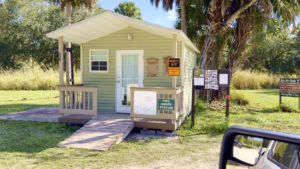
DuPuis Wildlife Management Area is a big chunk of land, part of the South Florida Water Management District, and it’s one of those places that doesn’t get nearly the attention it deserves. This was my second trip out there, and I liked it enough the first time that I came back specifically to run an equipment test. To get into the campground you drive about a mile in on dirt roads, washboard and all, back to a locked gate. You get the combination when you register, and once you’re through, you’ve got a handful of campsites to choose from, several of them right along the water. There’s also access to the Florida Trail from the campground if you want to hike further in, and a hike-in camp about two and a half miles off the road for anyone who wants to get away from the car camping crowd entirely.
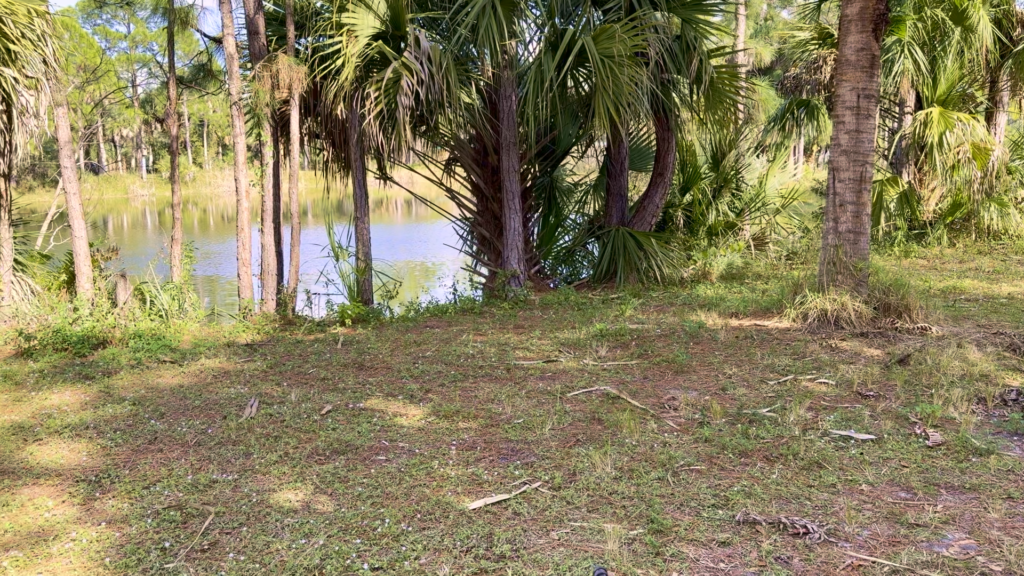
I picked a site by the water this time, partly for the view and partly because it suited what I was there to test. It’s a wildlife preserve, so you’d think alligators, but in two visits now I haven’t seen a single one in that pond. No idea if they trap and relocate them or if I’ve just been lucky, but either way, it made for peaceful bird watching while I set up camp.
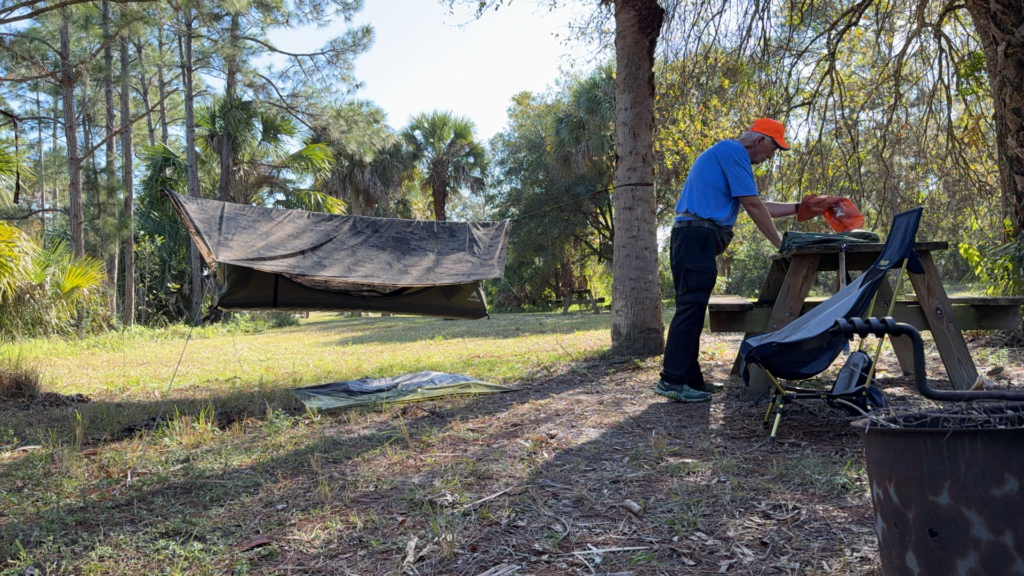
Now, about that equipment test. I was setting up the Haven Hammock tent for the first time, which is exactly what it sounds like: a tent that hangs between two trees instead of sitting on the ground. My reasoning was simple. Camping that close to water, I didn’t want anything crawling out of the pond and finding its way into a ground tent in the middle of the night. Get up in the air, and that problem takes care of itself.
I won’t walk you through the full setup, there are plenty of videos out there already for that, but I will tell you it took me a little longer than I expected for a first attempt. I got the head end and foot end backwards initially, which meant re-hanging the whole thing. Lesson learned: now I pack mine so the head end comes out of the bag first, no more guessing. The rainfly went on fine, and I liked that I could leave one side open since it was a warm night. Underneath, I laid down a ground tarp, something I picked up from years of dealing with regular tents, since without one you end up tracking dirt in and out every time you unzip the door.
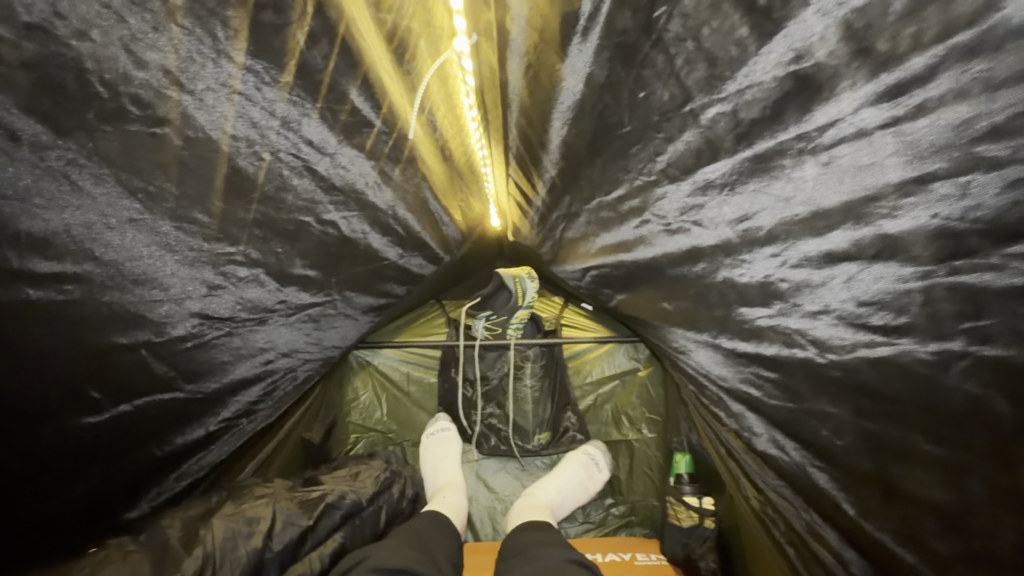
Once I was in it, the tent won me over. It’s got LED ridge lights built right along the top that you turn on with a simple swipe, which is a nice touch for reading before bed. It’s wide too, wider than my old tent’s sleeping pad, which matters when you’re six foot three and two hundred twenty pounds like I am. That’s actually why I needed the XL size specifically; anything smaller wasn’t going to work for someone my size. The Haven comes with its own blow-up pad, and you do need to use that one since it’s built to give the bottom of the tent some rigidity.
Getting in and out took some practice. You have to ease yourself in gently and get centered, or you’ll feel like you’re rolling to one side the whole night. The whoopee straps that hang the tent gave me the most trouble. Once there’s weight and tension on them, they’re nearly impossible to readjust, and I spent a fair amount of time trying to get the head end higher than the feet, which I never quite nailed on this trip. I’ve already ordered a new set of straps with buckles that should make that adjustment a lot easier next time. If any of you have a trick for adjusting whoopee straps under load, I’m all ears, drop it in the comments.
Camp life around all of this was about what you’d expect out there. Squirrels raising a ruckus in the palm fronds overhead, a neighbor’s German shepherd barking every time someone walked past, and a couple of hunters on electric bikes I steered well clear of, shotguns and all. I stuck close to camp, had a hot backpacking meal I could barely finish, did a little reading by those ridge lights, and turned in early.
And here’s the real test result: I slept over nine hours. That almost never happens for me. I woke up once or twice for the usual reasons, but otherwise it was some of the most restful camp sleep I’ve had in a long time. Weight-wise, the Haven comes in around eight pounds, but once you subtract the ground tent and pad you’re not carrying anymore, it only adds about five to six pounds to a pack. That’s more reasonable than I expected sitting here doing the math. I don’t know yet if I’ll take it on a long backpacking trip, my Durston ProMed 2 is a lot lighter for that, but for a shorter trip, maybe even that two and a half mile hike-in camp at DuPuis, I think this tent has a real shot.
So, would I recommend it? If you’re curious about getting off the ground and away from whatever might be crawling around your tent at night, I’d say give hammock camping a serious look. It won’t be for every trip, but for the right one, it might just be the best sleep you get outdoors all year.
Have you tried hammock camping, or thought about it? Let me know in the comments what’s held you back, or what your experience has been. And don’t forget to like and subscribe for more gear tests and trips like this one.