What I’ve Discovered
I’ve spent a lot of time in the woods over the years — backpacking, hiking, just moving through trees with no particular agenda except to be somewhere that isn’t a screen. I always felt better after those trips. Less wound up. Clearer in the head. I figured it was the exercise and the fresh air. Turns out I was only half right.
Researchers have been studying what happens to the human body when it spends time in forests, and the results are legitimately impressive. This isn’t soft wellness talk. We’re talking peer-reviewed studies, blood draws, brain scans, and measurable changes in cortisol, blood pressure, immune cell counts, and stress-related brain activity. The Japanese even have a formal discipline for it — Forest Medicine — and it’s been quietly building a solid evidence base since 2004.
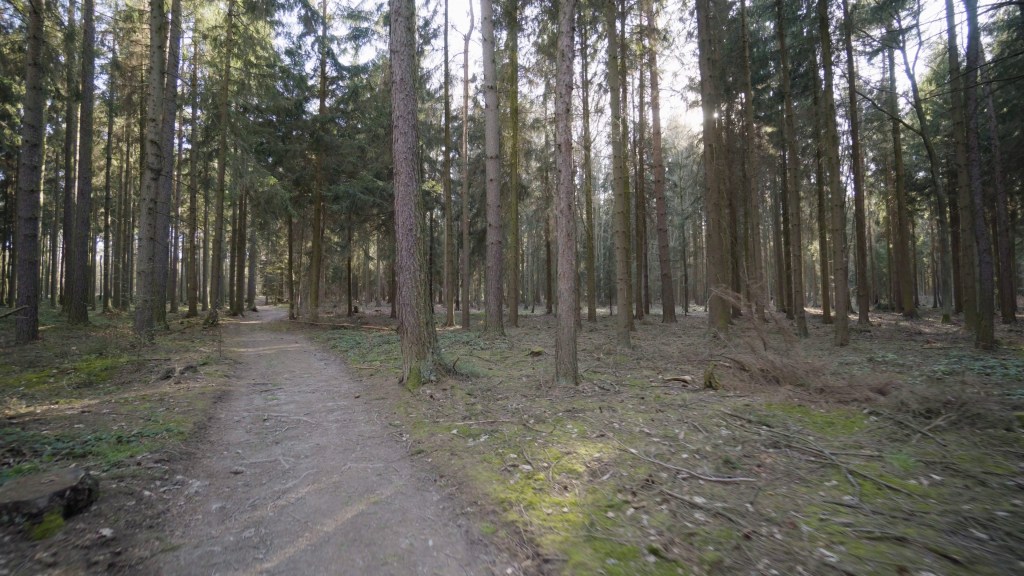
The practice has a name: shinrin-yoku, which translates roughly to “forest bathing.” No water involved. You’re just immersing yourself in the forest environment — walking slowly, breathing deeply, using all your senses. You don’t need a destination or a mileage goal. You just need trees.
Here’s what the science actually found.
Your Stress Hormones Drop — Measurably
This is where the research gets specific. Multiple studies have measured cortisol — the body’s primary stress hormone — in people before and after time in the forest, and the results are consistent. Forest time brings cortisol down. Not just a little. Across 22 studies reviewed in one meta-analysis, salivary cortisol levels were significantly lower in forest groups compared to urban control groups, both before and after the sessions.
At the same time, adrenaline and noradrenaline — the fight-or-flight hormones your body cranks out when you’re stressed — also drop during forest time. Your nervous system literally shifts gears. The parasympathetic side (rest and digest) becomes more active, and the sympathetic side (fight or flight) backs off. Heart rate variability, which is a good marker of how relaxed your autonomic nervous system actually is, improves.
If you’ve ever wondered why you feel noticeably calmer after an hour in the woods compared to an hour at a desk — or even an hour on a city sidewalk — there’s your answer.
Your Brain Changes After Just One Hour
A 2022 study published in Molecular Psychiatry took this question to the next level with fMRI brain scans. Researchers at the Max Planck Institute in Berlin sent 63 healthy participants on either a one-hour walk through an urban forest or through a busy city street, then scanned their brains using tasks designed to activate stress-related regions.
The results were striking. The participants who walked in nature showed decreased activity in the amygdala — the part of your brain that processes fear and stress — while the urban walkers showed no change. This was the first study to demonstrate a causal link between nature exposure and stress-related brain activity, not just a correlation.
One hour. That’s it. Enough time to change what your brain is doing when it encounters stress.
The lead researcher noted that city dwellers who live close to forests have a measurably healthier amygdala structure to begin with, which may help explain why some people who spend regular time outdoors seem to handle pressure better than those who don’t.
Your Immune System Gets a Genuine Boost
This is probably the most surprising finding in the forest bathing research, and honestly, it’s the one that got my attention.
Trees release volatile organic compounds called phytoncides — essentially the tree’s own chemical defense system against bacteria, insects, and disease. Think of it as the tree’s immune response made airborne. When you’re walking through a forest, you’re breathing these compounds in. Turns out your body responds to them.
Studies have found that forest time significantly increases the activity of natural killer (NK) cells — the immune cells responsible for hunting down tumor cells and virus-infected cells. We’re not talking about a small uptick. One set of studies found that NK cell activity increased after forest trips, and that increase lasted for more than a week after the visit. A 2024 systematic review and meta-analysis specifically on phytoncide exposure confirmed the pattern: consistent increases in NK cell activation and count across eight studies spanning 16 years.
One study vaporized phytoncides (specifically hinoki cypress oil) into hotel rooms overnight. Even that — no forest required — increased NK cell activity and decreased stress hormone levels in the participants. The tree chemicals themselves were doing a lot of the work.
Because NK cells are one of the body’s front-line defenses against cancer, researchers have suggested that regular forest time may have a preventive effect on cancer development. That’s a significant claim, and more research is needed to nail down the full picture. But the immune response data is solid.
Blood Pressure and Heart Health
If your doctor has mentioned keeping an eye on your blood pressure, here’s something worth knowing. Forest bathing consistently reduces both systolic and diastolic blood pressure, and the effect shows up across age groups and genders. Studies examining hypertensive and pre-hypertensive adults found that time in the forest improved heart rate variability and lowered blood pressure readings compared to control groups who spent time in urban environments.
The mechanism is likely the combination of reduced stress hormones, increased parasympathetic nervous system activity, and the phytoncide effect on the body. Whatever the pathway, the cardiovascular system responds positively and measurably.
Mental Health: More Than Just a Better Mood
The psychological benefits are the ones most people would predict intuitively, but the research quantifies them in ways that go beyond “felt good afterward.”
Using standardized mood assessment tools like the Profile of Mood States (POMS), studies consistently show that forest time reduces scores for anxiety, depression, anger, fatigue, and confusion — while increasing vigor. A 2020 systematic review and meta-analysis covering 20 studies found that shinrin-yoku is particularly effective at reducing anxiety symptoms in the short term.
Sleep improves too. That’s a finding that shows up across multiple studies and isn’t surprising to anyone who’s come home from a weekend in the backcountry and slept like a rock.
What’s worth noting is that these aren’t just subjective “I feel better” reports. The researchers are measuring actual physiological markers — brain activity, hormone levels, immune cell counts — and the numbers back up what people have intuitively known for a long time.
You Don’t Need to Be Deep in the Wilderness
One thing the research clarified: you don’t need to disappear into remote backcountry to get these benefits. Studies found that city parks with trees produced measurable benefits too. The key ingredients seem to be the presence of trees (for phytoncides and green visual stimulation), reduced urban noise, and the slower, more sensory-engaged pace of a forest walk.
This is good news for anyone who can’t get to a national forest on a regular basis. A tree-lined park, a local nature preserve, even a wooded neighborhood walk done slowly and intentionally — these count.
The research also suggests that doctors in some countries are now prescribing specific amounts of time in nature as a genuine therapeutic dose. Healthcare providers are beginning to recommend forest time the same way they’d recommend exercise or dietary changes — as an evidence-based intervention, not just a lifestyle preference.
Getting Started With Forest Bathing
Forest bathing isn’t hiking with a checklist. It’s slower and more deliberate. A few things that make it more effective:
- Leave the earbuds out. The sounds of the forest — wind, birds, water — are part of the experience and likely part of the mechanism.
- Slow down. This isn’t about mileage. A mile in two hours is fine. That’s the point.
- Engage your senses. Notice what you smell. Touch the bark of a tree. Look up through the canopy. The research suggests sensory engagement is part of what makes this work.
- Put the phone away. Or at least face-down. The goal is to be where you are, not somewhere else.
- Aim for at least an hour. The studies showing brain and immune changes used sessions of an hour or more. Shorter is still better than nothing, but an hour seems to be where the measurable effects kick in.
The Bottom Line
I already knew the woods made me feel better. I didn’t realize the research had gotten this specific about why.
Lower cortisol. Calmer amygdala. Stronger immune system. Better blood pressure. Improved mood and sleep. These aren’t the claims of a wellness influencer selling supplements. They’re coming out of peer-reviewed journals, randomized controlled trials, and brain imaging studies. The Japanese figured out decades ago that forests were medicine. Western science spent a while catching up, but it’s largely confirmed the conclusion.
Get outside. Get among trees. Go slow. Your body is doing something out there that it can’t do at a desk, and the research is pretty clear on what that something is.
Have you tried intentional forest bathing? Drop a comment and let me know where you go and how it’s worked for you.
 Outdoors With Barry
Leave a comment